CHIBA, Japan — In the modern real-estate business, inspectors check roofs, foundations, plumbing and electrical wiring.
But in Japan, one unusual property consultant checks for something else.
Ghosts.
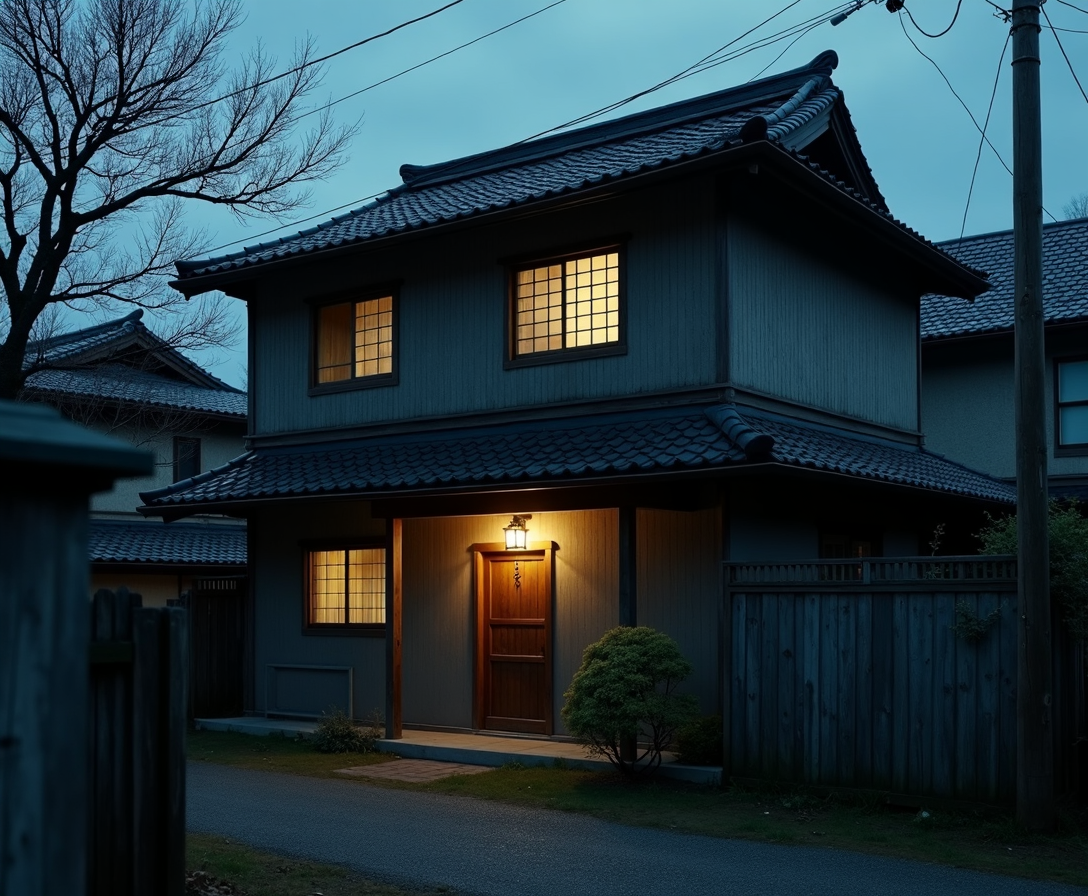
Kazutoshi Kodama investigates homes where murders, suicides or lonely, unattended deaths have occurred. These residences are commonly known as jiko bukken—properties burdened by a tragic history and the fear that something unseen may have remained behind.
Kodama does not arrive carrying holy water or an ancient book of spells.
He brings cameras, meters and recording equipment.
A Night Among the Shadows
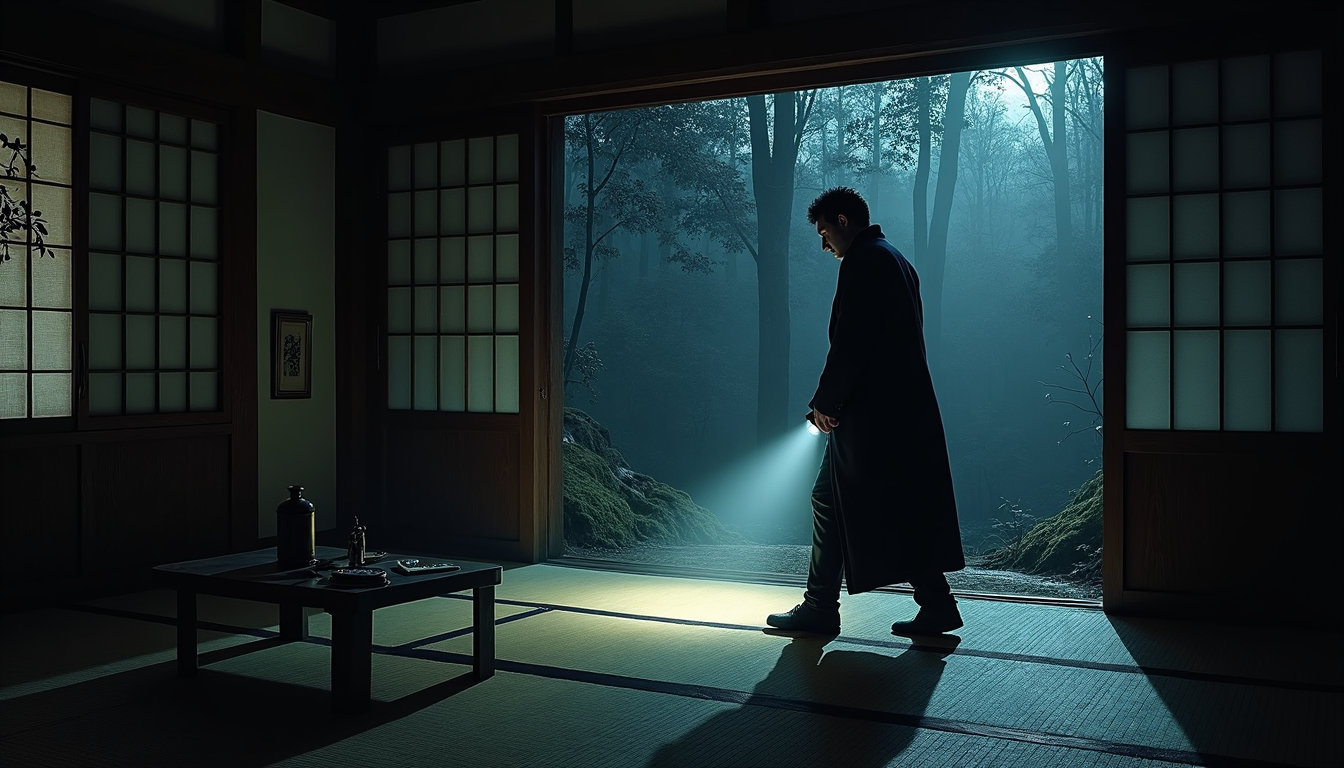
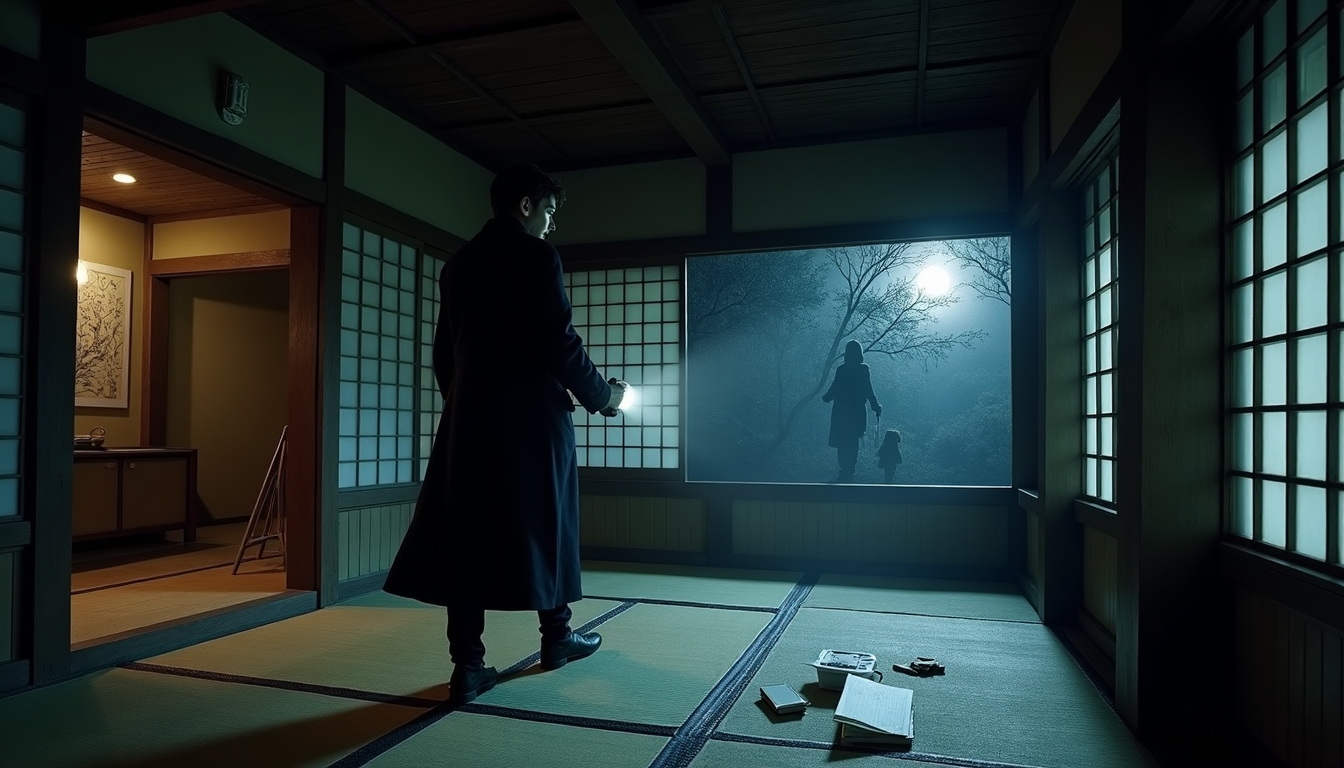
Kodama reportedly spends the night inside the properties, often working from approximately 10 p.m. until 6 a.m.
He monitors the rooms using multiple video cameras, a thermal-imaging camera, an electromagnetic-field meter, a pressure gauge, a thermometer and an audio recorder. Readings are checked and recorded throughout the night. (Reuters)
If nothing unusual is detected after repeated investigations, Kodama may issue a certificate declaring the residence free of paranormal activity.
It is, in effect, a clean bill of supernatural health.
Recent international coverage has described the service as costing around 88,000 yen, or roughly several hundred U.S. dollars, depending on exchange rates. (www.ndtv.com)
Houses With Troubled Histories
In Japan, homes connected to violent or disturbing deaths can carry a powerful social stigma.
Some prospective tenants fear restless spirits. Others are simply uncomfortable sleeping in a room where a tragedy occurred. These concerns can make the properties difficult to rent or sell, sometimes forcing owners to offer substantial discounts. (Reuters)
Kodama founded his company, Kachimode, after years in the real-estate business. He says rising property prices have encouraged more buyers and renters to consider homes they once would have avoided completely. (Reuters)
A murder property may lose a large portion of its market value, while other stigmatized homes may sell or rent at discounts closer to 20 percent. Investors, especially those who do not plan to live in the residence themselves, may view such properties as bargains. (Reuters)
The Loneliness Behind the Mystery
The story has a darker side.
Japan’s aging population has produced a growing number of kodokushi, or lonely deaths—cases in which people die alone and remain undiscovered for days or even weeks.
A government report cited by Reuters recorded nearly 21,900 deaths that were not discovered for eight days or longer during the previous year. (Reuters)
When such a death occurs, the home may require specialized cleaning, replacement flooring and extensive restoration. Even after the physical traces are removed, the psychological stain can remain.
That is where Kodama enters the picture.
Can a Ghost Be Ruled Out?
Kodama says he has conducted more than 70 investigations. Only a small number produced unusual readings, including unexplained electromagnetic disturbances. One Chiba residence had been examined nearly 20 times and still had not received his final ghost-free approval. (Reuters)
Skeptics may argue that no collection of meters can prove a spirit is absent.
Believers may wonder whether a restless presence would cooperate with an inspector’s schedule.
Yet for nervous tenants and struggling property owners, the certificate may provide exactly what is needed: reassurance.
In Japan’s strangest corner of the housing market, the question is no longer merely whether a house has good plumbing or a solid roof.
It is whether the previous occupants have truly moved out.