LHS 1140 b: Astronomers Detect Atmosphere on Potentially Habitable Super-Earth
A rocky planet 48 light-years from Earth has just moved closer to the top of astronomy’s most-wanted list.
A Promising World in the Cosmic Neighborhood
Astronomers searching for life beyond Earth may have found their most promising target yet.
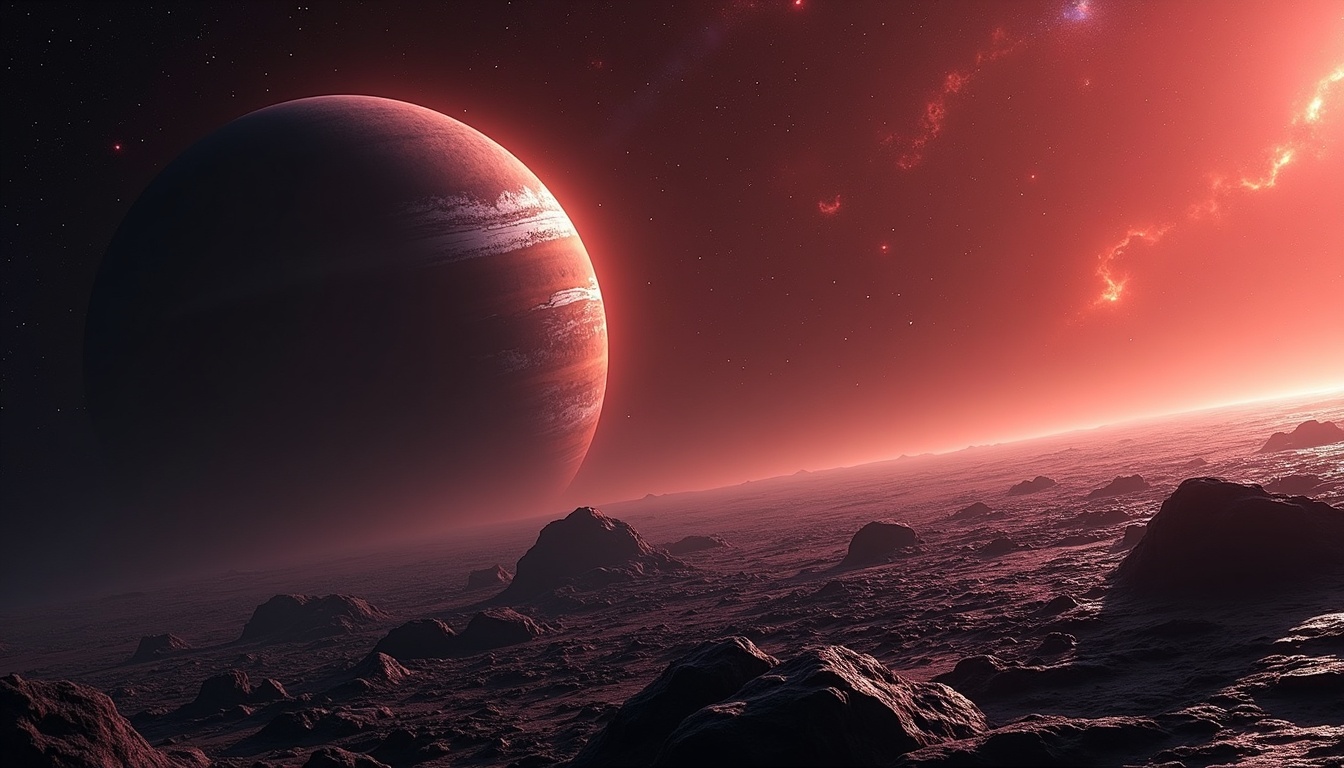
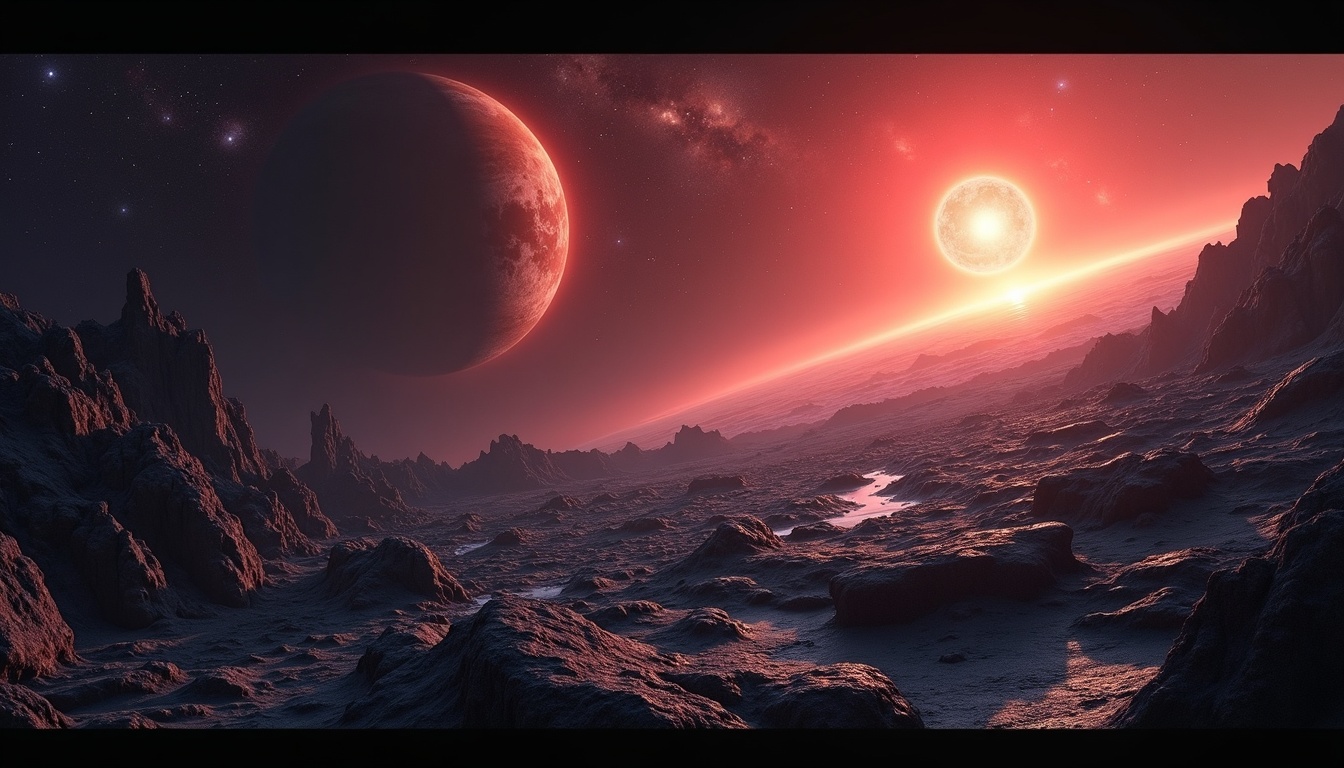
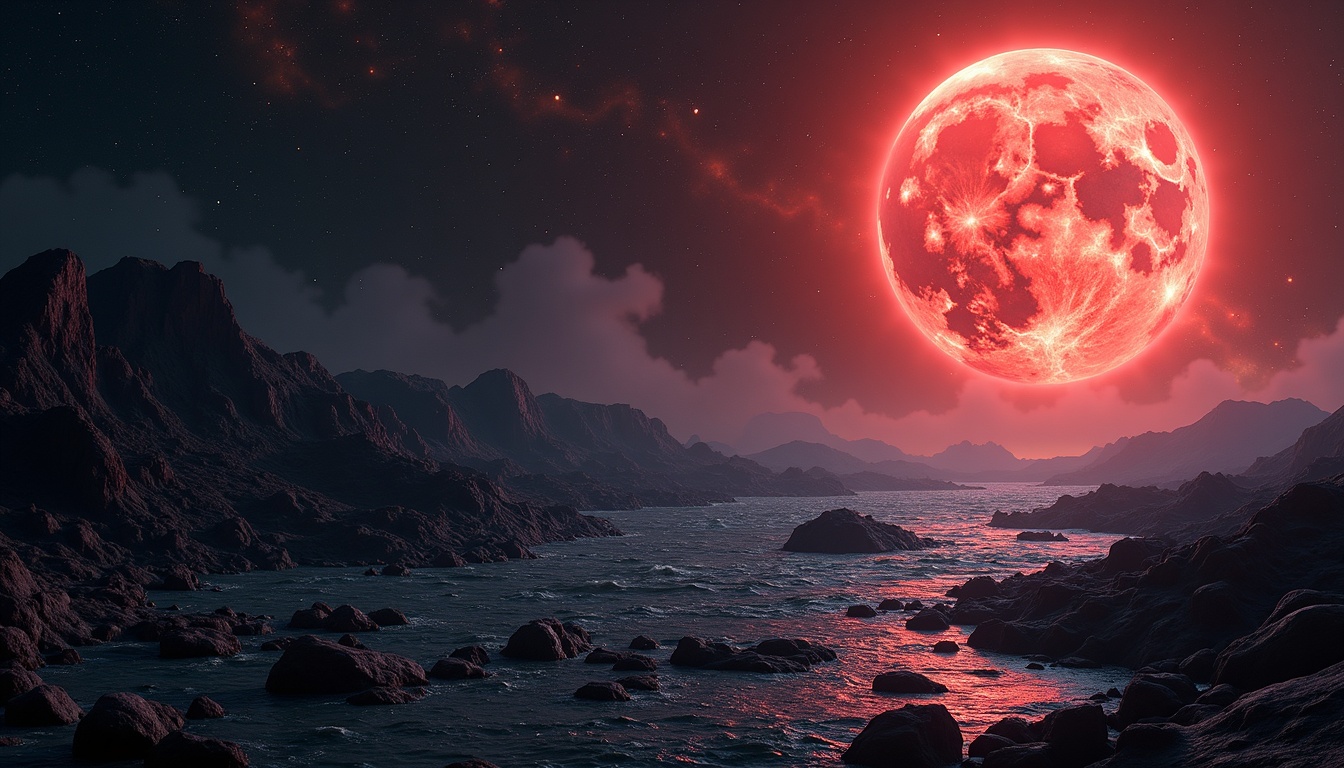
The planet, known as LHS 1140 b, circles a small red dwarf star approximately 48 light-years away. Scientists have studied the distant world since its discovery in 2017, but new observations now indicate that it has something no confirmed habitable-zone rocky exoplanet has shown before—an atmosphere.
That discovery does not prove that anything lives there. However, it gives scientists a genuine place to continue the search.
Helium Provides the First Clue
Researchers detected helium escaping from the planet’s upper atmosphere while LHS 1140 b passed in front of its star in 2024.
The team used the WINERED near-infrared spectrograph at the Magellan Observatory in Chile. The instrument examined the starlight passing through the planet’s atmosphere and found a signature consistent with helium.
Researchers did not detect the same helium signal during observations conducted in 2025. They believe the atmospheric escape may change over time, possibly because of activity from the planet’s host star. (Science)
Bigger and Heavier Than Earth
LHS 1140 b is no exact duplicate of our home planet.
NASA lists it as a “super-Earth” with a radius approximately 1.73 times that of Earth and a mass about 5.6 times greater. It completes one trip around its star every 24.7 days. (NASA Science)
Despite its size, the planet sits within its star’s habitable zone—the region where temperatures might permit liquid water under the right atmospheric conditions.
Previous research has suggested that LHS 1140 b could contain a considerable amount of water and may possess an atmosphere made from heavier gases such as nitrogen or carbon dioxide. Scientists have even raised the possibility that it could be a massive water world with a global ocean. (arXiv)
Why the Atmosphere Matters
A planet can sit in the habitable zone and still remain lifeless.
Without an atmosphere, liquid water may disappear, temperatures can swing wildly, and radiation from the host star can bombard the surface. Confirming that LHS 1140 b retained an atmosphere for billions of years changes the picture considerably.
It also challenges the belief that rocky planets orbiting active red dwarf stars will inevitably lose their atmospheres to powerful stellar radiation. (cfa.harvard.edu)
The Garner Report Take
Scientists have not found alien life on LHS 1140 b. They have not detected vegetation, microorganisms or artificial signals.
What they may have found is something almost as important—a rocky world with the basic conditions necessary to keep the possibility alive.
For now, LHS 1140 b remains a distant and mysterious planet circling a dim red star. But as more powerful telescopes study its atmosphere, the answer to humanity’s oldest question may be hiding somewhere beneath those drifting layers of helium.
Is something alive beneath the clouds of LHS 1140 b?
-You be the judge.
Sources: Unexplained Mysteries, Science, Harvard-Smithsonian Center for Astrophysics, NASA Exoplanet Catalog.